How to bring about change through Psychotherapy?
Method 1
We ask questions to the client in order to dive deeper:
What do you feel?
What do you want in your life?
How do you stop yourself moving forward?
We facilitate the client - guiding them, helping them explore themselves, confronting them with their contradictions.
Method 2
We achieve transformation through the therapeutic relationship:
Instead of adopting a vertical position, we become horizontal.
Instead of exploring the clients world, we expose our own.
Instead of asking questions, we
How to bring about change through Psychotherapy?
Method 1
We ask questions to the client in order to dive deeper:
What do you feel?
What do you want in your life?
How do you stop yourself moving forward?
We facilitate the client - guiding them, helping them explore themselves, confronting them with their contradictions.
Method 2
We achieve transformation through the therapeutic relationship:
Instead of adopting a vertical position, we become horizontal.
Instead of exploring the clients world, we expose our own.
Instead of asking questions, we make statements.
We give up the comfort of our certainty and our neutrality.
We volunteer to reveal our own contradictions. We talk about how we feel.
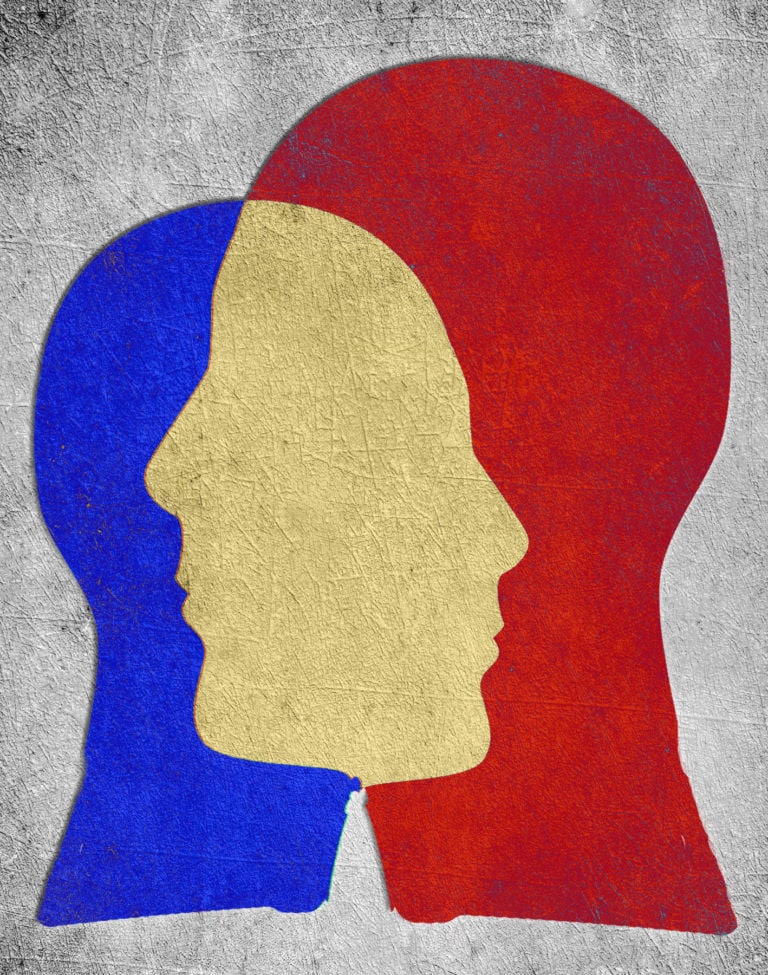
What results is a conversation between two humans, both vulnerable.
The resulting discoveries and insights emerge from mutuality, rather than
our knowledge and authority.
Martin Buber calls this the I-Thou.
This is Radical Transparency
Going beyond basic self-disclosure, Radical Transparency requires a high degree of willingness to put ourselves on the line.
A certain type of courage is necessary, and a high level of attenuated skill in providing personal information in a way which supports the client’s process, rather than taking over. The point is not to take up the limelight, but to share it in a way which contributes to establishing a healing relationship. Sharing ones own experience needs to be seamlessly embedded in the flow of the therapeutic process.
Authenticity, is a core value of many therapeutic approaches. Confessional authenticity - popular in the 1960’s - was blunt, aggressively confrontative, and potentially shaming.
Radical transparency provides a more sophisticated way to ‘confront’ the client. The requirement on the therapist is high - to know oneself deeply enough to be able to share one's own experiences in a succinct and relevant manner. This includes both in-the-moment feedback, as well as sharing life experiences directly related to the clients’ process.
When practiced skilfully and appropriately, such transparent authenticity is deeply powerful, reduces the likelihood of shame, and builds the therapeutic alliance in a way that a facilitative type of therapy cannot achieve. This is an art as much as a science.
The challenge of the 21st-century is to balance Field sensitivity, and the dynamism and freshness of authentic contact.